When the economy wobbles, the instinct for many businesses is to pull back. Budgets are trimmed, projects delayed, and spending scrutinised line by line.
With UK inflation cooling to 2.8% in February 2025 – but predicted to climb again as rising energy costs bite – and growth forecasts being revised downwards, uncertainty is prompting companies to re-examine their financial priorities.
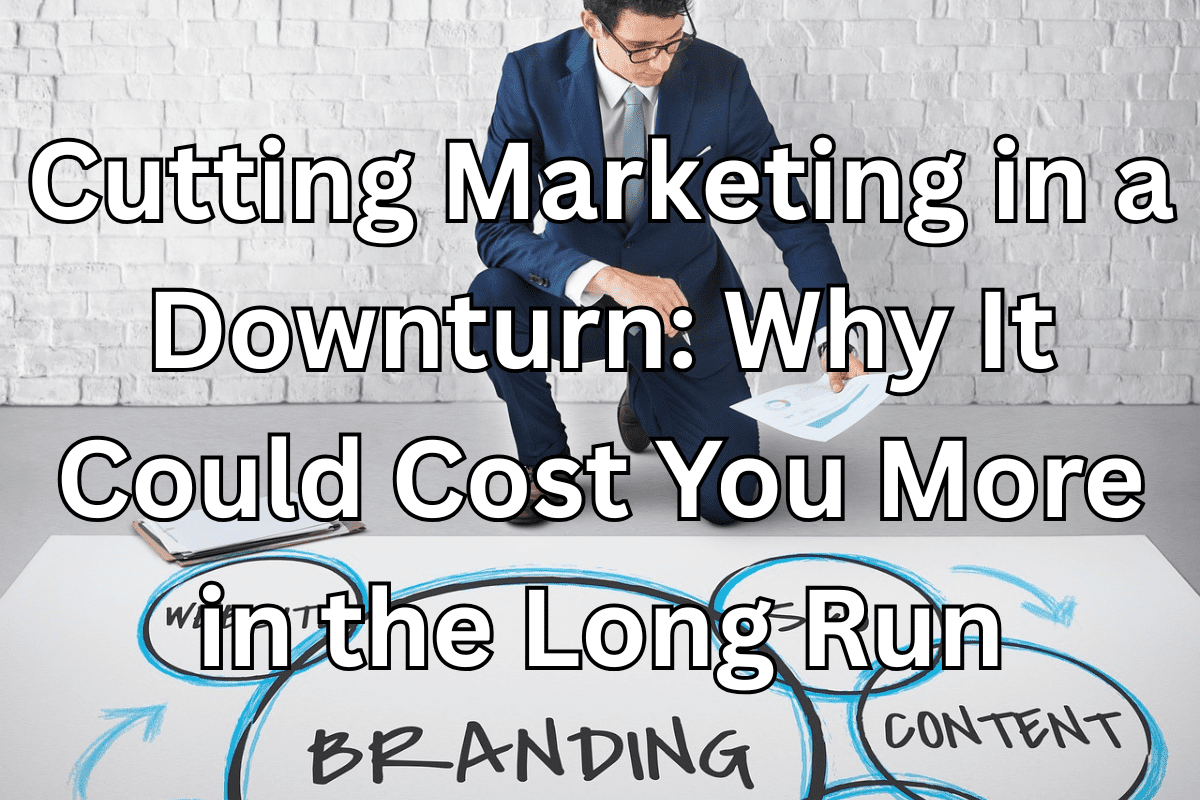
But among the first casualties in many boardrooms is often the marketing budget. Though it can be argued that history and research show cutting marketing spend during turbulent times can be an expensive misstep.
Why Marketing is the First to Go
Unlike fixed costs such as payroll or premises, marketing is often seen as flexible – and therefore expendable. Because the return on investment isn’t always immediately visible, it becomes a tempting target for cost-cutting.
Some decision-makers reason that if customers are spending less, marketing efforts will have limited effect. But as it has been pointed out on many occasions, this thinking is flawed. Marketing isn’t just about selling today – it’s about protecting tomorrow.
The Hidden Cost of Going Quiet
Many people don’t know, or maybe simply choose to ignore, that there are several hidden costs when opting to quieten down your business’s market efforts. These are:
Loss of Market Share: When competitors retreat from the public eye, those that remain visible often gain market share. Businesses that vanish from customer view risk being forgotten, making it harder – and costlier – to regain ground once conditions improve.
Diminished Brand Trust: Uncertain times make consumers cautious. Brands that communicate consistently offer reassurance and familiarity – qualities that build trust and influence spending choices even in tight markets.
Higher Long-Term Costs: Switching off marketing entirely is rarely a short-term saving. Rebuilding awareness after an absence requires significantly more investment than maintaining steady, strategic campaigns throughout a downturn.
Smarter Marketing in Tough Times
Many marketing firms will recommend that the answer isn’t necessarily spending more – but spending smarter.
Focus on ROI-Driven Strategies: Direct resources towards measurable, high-impact channels such as digital marketing, social media, and content marketing. These platforms allow for rapid adjustments based on performance data.
Leverage Data and Analytics: With every pound under scrutiny, analytics can pinpoint what’s working. Tracking customer behaviour and campaign performance ensures budgets are allocated where they generate the greatest return.
Strengthen Customer Relationships: Economic uncertainty is the time to get closer to your audience. Personalised content, empathetic messaging, and community engagement can encourage loyalty and repeat business.
Adapt Your Messaging: Consumer priorities shift in downturns. Messaging that focuses on affordability, value, and problem-solving is far more effective than campaigns centred on indulgence or luxury.
Invest in Brand Loyalty: Maintaining a committed customer base pays dividends. Loyalty schemes, rewards, or exclusive content can keep customers engaged and connected to your brand.
Looking Beyond the Recession
The temptation to view marketing as a dispensable cost is understandable – but short-sighted.
Businesses that maintain their presence, refine their strategy, and communicate clearly during economic turbulence often emerge in a stronger position when recovery arrives.
As we will now conclude, the goal isn’t to outspend the competition, but to outthink them. By adapting, optimising, and staying visible, companies can ensure that when the economy stabilises, they’re not scrambling to catch up – they’re already in the lead.